A toilet that runs needs a different repair from one that leaks into the floor. Before paying for a new toilet or another seal, have the plumber identify the actual leak or failed part.
First separate a tank-parts repair from lifting the toilet and repairing its mounting or the floor. Damage found under the toilet can add real work; a running toilet does not automatically need all of that. Ask to see the failed part or damage and compare repairing it with a complete replacement.
Ask before you sign
Which part failed, and is this price for that repair or for rebuilding or replacing the toilet?
If it flushes properly and the porcelain is sound, I’d check the repair parts before buying another toilet. The things inside the tank are replaceable on many models. An unusual old model with unavailable parts is another matter; have the model identified before accepting that explanation.
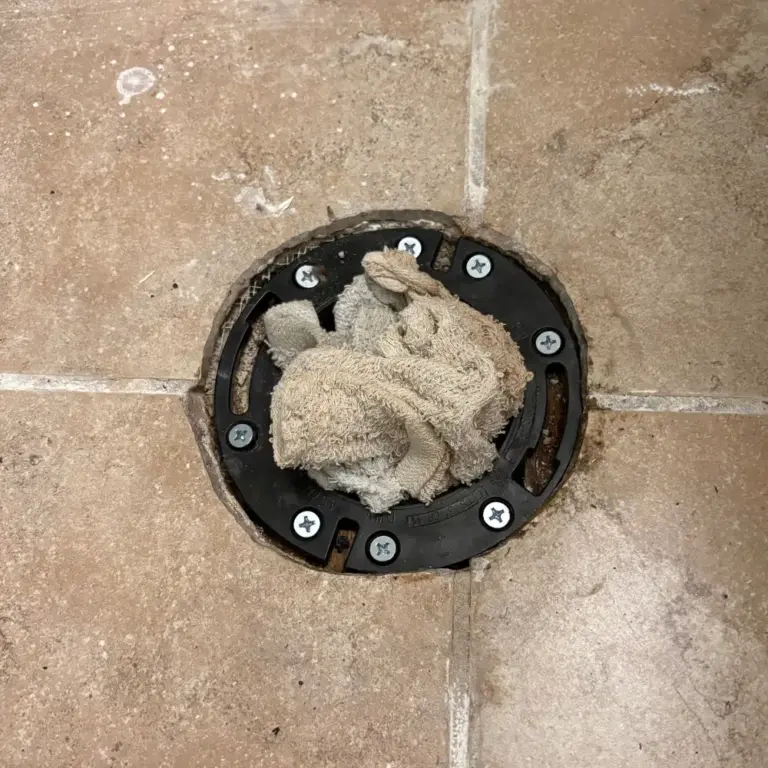
Once the toilet is lifted, the plumber has to deal with the seal and the mounting underneath it. A broken flange—the fitting holding the toilet to the drain—or a damaged floor can add work. Replacing a fill valve inside the tank doesn’t involve all of that. Check which job is actually on your quote.
Start with the lowest-priced option that fixes the problem properly. Then ask what the next level adds. A fancy name does not tell you whether you are buying better equipment, more work or a longer warranty.
Ask to see
All package prices on one page.
The repair included in each.
Extra parts, work and warranty coverage.
YOU CAN SAY
Show me all the prices. Which option fixes my problem properly, and what does the extra money buy?
Read the detail
A package name tells you little about the work. Get the cash total and scope for every option, then identify which one corrects the diagnosed fault. Compare the extra equipment, warranty and service promises separately.
Why we ask this
ServiceTitan’s public playbook describes commissioned technicians at a seven-franchise Roto-Rooter group and training that withholds prices during the explanation. It also describes the intended benefits of clearer options. This is a specific example, not a policy established for every plumber or franchise.
THE PRICEIt took 30 minutes. Why does it cost that much?+
Check whether you agreed to a price for the whole repair or to pay by the hour. A repair price may cover travel, parts and business costs too. A quick job does not mean that money is the plumber’s hourly pay. For hourly work, check the time charged.
Ask to see
The price you agreed to.
What the repair includes.
The hours and hourly rate, if that is how you are paying.
YOU CAN SAY
Am I paying for the whole repair or by the hour? What is included, and what could cost extra?
Read the detail
First check what you agreed to buy. A fixed task price is not a timesheet: the company may build it from estimated labor, materials, overhead and profit. Finishing quickly does not tell you what the technician earns or make the bill automatically wrong. If the agreement was hourly, the rate, billing increments and time charged are the relevant comparison.
THE WORKWhy is there an extra allowance under the toilet?+
The fitting that secures the toilet to the drain—the flange—is hidden until the toilet is lifted. A damaged fitting or floor can need work beyond a new seal. Ask what the base installation includes, how that extra repair would be priced and whether you approve it before work starts.
Ask to see
The condition under the removed toilet.
The base installation and the added repair price.
Who repairs any damaged flooring.
YOU CAN SAY
Show me what is damaged. Is this included, an allowance, or a new charge I need to approve?
THE WORKWhy replace the toilet instead of the leaking part?+
Ask where the water is escaping. A seal or service part can be a smaller repair than a new toilet. A cracked fixture or an unavailable matching part is a different finding. Compare the repair with a complete installed replacement, including removal and any work underneath.
Ask to see
The source of the leak.
Whether the correct repair part is available.
Repair and complete replacement prices.
YOU CAN SAY
Which part has failed, and why will a matching replacement part not solve it?
Questions are editorial examples, not quotations attributed to a particular company. Sources checked September 12, 2026. Each answer links to its supporting sources. A documented sales method does not establish what happened on your visit.
FROM MTNMANPLUMBING.COM
Recent Mountain Man work.
Published job stories matched to this guide’s plumbing services.
Observe when water runs, where it appears, whether the bowl rocks and whether the flush is weak or incomplete.
Test the tank, handle, fill valve, flapper, supply stop and visible tank-to-bowl connections.
If a base leak is suspected, distinguish tank condensation, supply leakage and a seal or flange problem before quoting a reset.
Test flush, refill, shutoff and floor area after the repair.
The parts of this job—and why they matter
Symptom and source
Running, weak flushing, rocking, a tank leak, a base leak, and a stoppage point to different parts and different repair scopes.
Tank parts
Fill valves, flappers, flush valves, handles, seals, and tank-to-bowl hardware can often be serviced without replacing the whole fixture.
Bowl and flange
A failed wax seal, loose bowl, cracked fixture, or damaged flange normally requires pulling the toilet before the condition is fully visible.
Supply and drain
A leaking stop or supply line is separate from a toilet mechanism, and a blocked branch drain is not a fixture repair.
Quote shortcuts worth questioning
A toilet is replaced before the leaking or flushing source is confirmed.
A base leak is diagnosed without inspecting the seal and flange.
Flange, flooring and shutoff allowances are hidden in a vague labor line.
A branch drain stoppage is sold as a tank-part repair.
Every symptom becomes a new toilet
Common tank parts and seals are serviceable. Replacement should have a reason beyond convenience.
Base leak diagnosed without pulling the bowl
Water can travel from the tank, supply, condensation, or wax seal. The source needs to be confirmed.
Flange repair hidden in fine print
Ask what flange work is included and how approval will work if damage appears after the toilet is lifted.
Drain cleaning sold as a toilet part
A fixture mechanism and a branch-line stoppage are different services and should be explained separately.
More scope details and possible extra work
Confirm these inclusions
Diagnosis of the actual leak or flushing problem
Named repair parts and labor
Isolation, disassembly, reassembly, and adjustment
Leak and flush testing
Cleanup and a written labor or part warranty
Conditions that add work
A cracked tank or bowl
A broken, rusted, or badly positioned flange
Floor damage or an uneven finished surface
A failed shutoff valve or corroded supply connection
A blockage beyond the toilet trap
THE DETAILS PEOPLE ASK ABOUT
Toilet repair questions
Why did the price change after the toilet came off?
The flange is the fitting that holds the toilet firmly over the drain. Once the toilet is lifted, damage there or in the floor may explain why a new seal alone will not last. That extra work can be legitimate, but it should be visible and explained before the toilet goes back. The important distinction is replacing the seal versus repairing the surface and fitting that support it.
Would another wax ring fix a leaking pipe joint underneath?
The ring seals the toilet to the drain opening. It does not repair a leaking joint farther down the pipe. Ask the plumber to identify the leak’s exact location so you are paying for the connection that actually needs repair.