Locate shutoffs
Know the fixture shutoff, main water shutoff, and safe access before starting. A valve that will not close changes the job immediately.
Before you grab the tools
A five-dollar part can still flood a room or leave the gas unsafe. Before you start, make sure you can shut it off, do the repair safely, test it, and live with the damage if it fails.
01
These are observations and low-risk maintenance steps. They are not a diagnosis from this website. Stop when the condition is unsafe, unclear, or getting worse.
Know the fixture shutoff, main water shutoff, and safe access before starting. A valve that will not close changes the job immediately.
Take wide and close photos, note when the problem happens, check nearby fixtures, and record model information before disassembly.
Cleaning an aerator, using a plunger correctly, checking a disposal reset, or replacing an accessible toilet flapper may be reasonable when the system is otherwise sound.
Do not keep tightening, cutting, heating, energizing, or opening finishes when you cannot identify the system or contain the result.
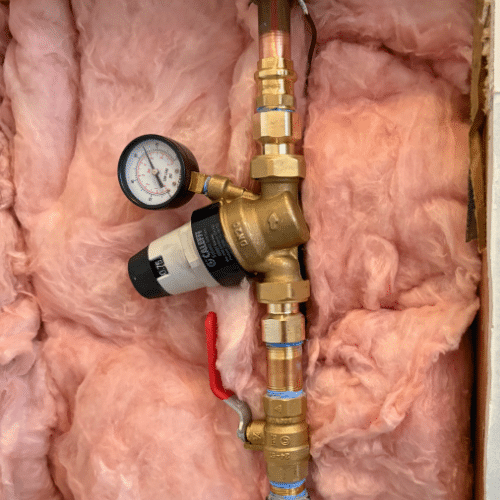
From the Mountain Man field archive
The camera, gauge, failed part, and vent detail tell the story better than a sales phrase. These came from real Mountain Man calls.



02
Professional help is about controlling consequences: combustion, gas, pressure, sewage, concealed systems, property damage, and inspection responsibility.
Odor, leaks, sizing, pressure testing, combustion, venting, and return-to-service work are safety-critical.
Venting, temperature and pressure relief, gas or electrical supply, drains, expansion, and permits can sit inside one installation.
Sewage exposure, powered equipment, roof access, buried utilities, excavation, and structural pipe failure raise the risk quickly.
Repeated patches can hide pressure, material, freezing, corrosion, or system-design problems while damage spreads out of view.
When the local authority requires a permit or inspection, the person taking responsibility for the work should be clear before the project begins.
03
Before starting, imagine the repair fails while nobody is watching. The more water, gas, sewage, hidden space, or finish damage involved, the less useful a cheap attempt becomes.
If the main or fixture valve does not work, the project begins with a different risk and scope.
A repair is not complete until the system can be safely pressure-tested, flow-tested, drained, vented, or operated as required.
Opening tile, drywall, cabinets, concrete, roofing, or landscape creates another project even when the plumbing repair succeeds.
If failure could flood a finished space, release gas, expose sewage, or leave the home without essential service, get professional help.
04
A project can begin as simple maintenance and reveal a larger hazard. The safe decision is to stop before the next step makes isolation, diagnosis, or recovery harder.
Do not remove a pressurized component when the fixture or main cannot be isolated reliably.
Leave the hazard area and contact the appropriate utility, emergency service, or licensed professional from a safe location.
Protect occupants, avoid spreading contamination, and use proper equipment and cleanup responsibility.
Hidden piping, structure, waterproofing, buried utilities, and restoration can turn a small task into a permitted multi-trade project.
Start here

Tyler Nerdin. Utah Master Plumber #8522119-5518.
I own Mountain Man Plumbing. I review the job explanations and price matches so the page follows the work we actually do in Utah homes.
Verify the licenses with Utah DOPL Meet the company