
Quantity
One toilet, six fixture stops, eighty feet of pipe, and a full bathroom rough-in are priced from different units of work.
Why quotes move
The fixture name only gets us started. The price changes when the plumber has to find a harder problem, reach a tighter spot, replace more material, pull a permit, or repair what had to be opened.
01
A good photo, model number, measurement, or count can answer these questions before the plumber opens anything.
One toilet, six fixture stops, eighty feet of pipe, and a full bathroom rough-in are priced from different units of work.
Pipe type, valve quality, fixture model, equipment capacity, efficiency, finish, and warranty change supply cost and installation requirements.
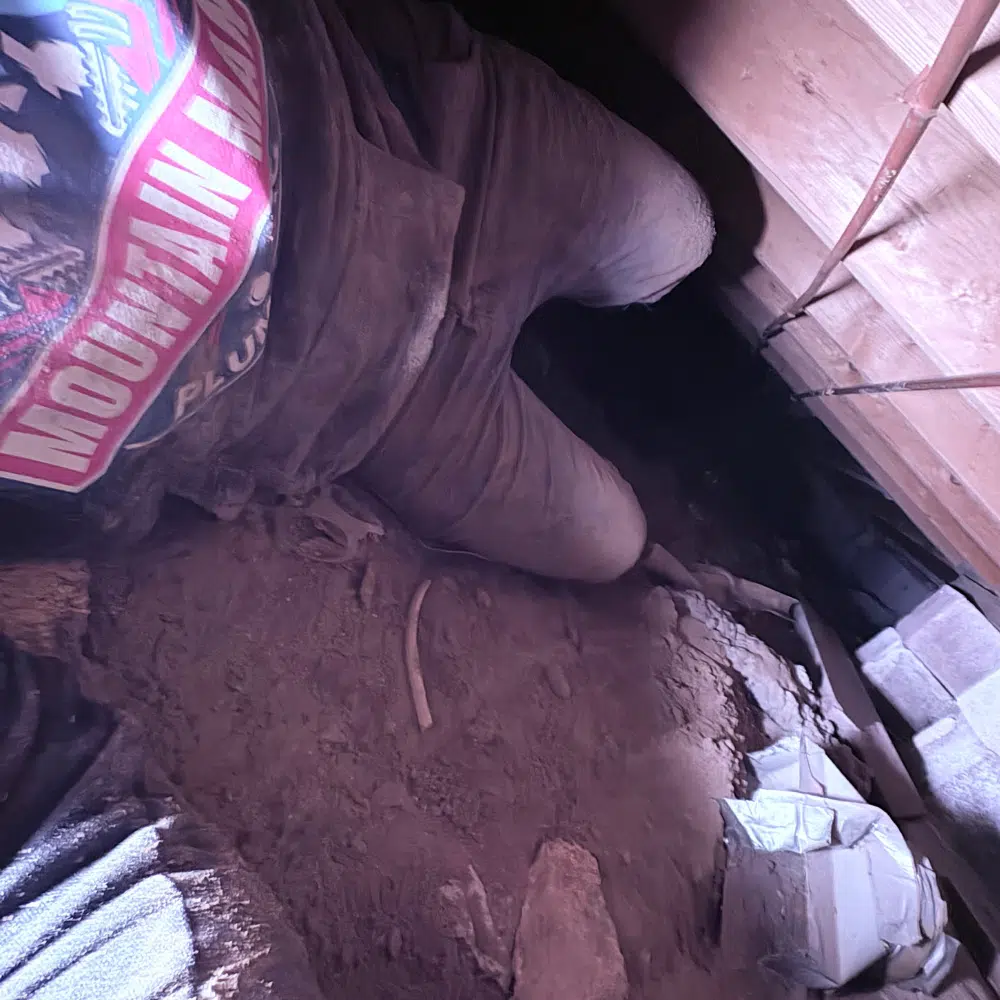
Open basement, finished wall, cabinet, attic, crawlspace, roof, slab, buried yard, and public right-of-way create different labor and protection needs.
Usable shutoffs, drains, vents, power, gas capacity, supports, cleanouts, and clearances can keep a job standard. Problems with any of them can add work.
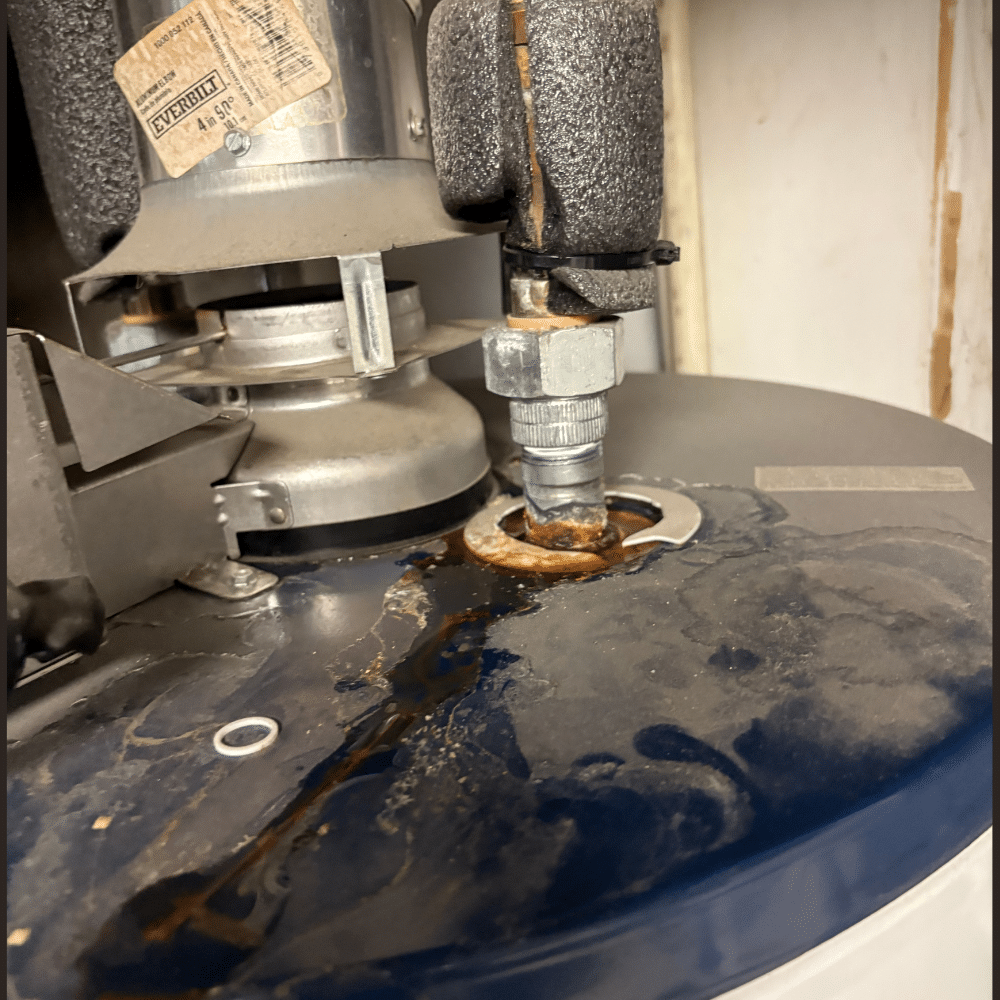
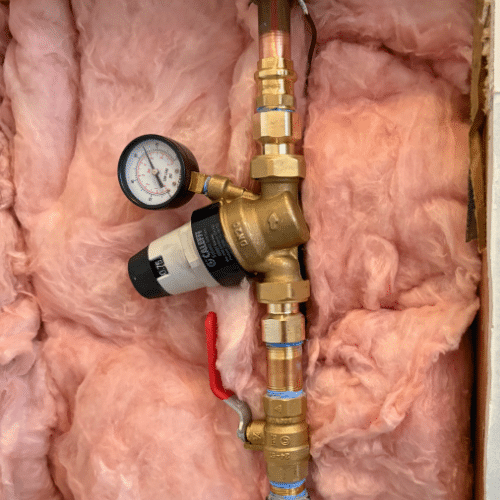
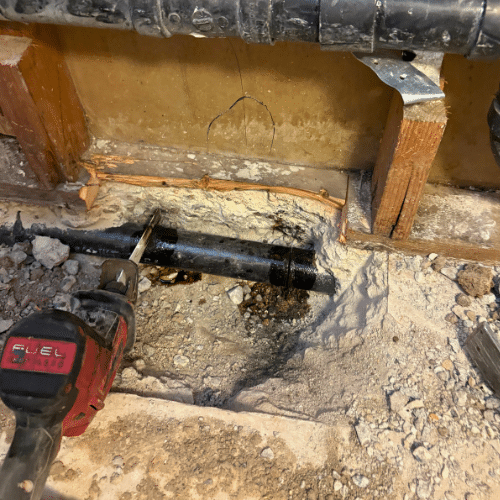
From the Mountain Man field archive
A useful quote is tied to something the plumber measured, opened, tested, or identified. These are examples from real Utah jobs.
02
A good quote says what the starting price assumes and what happens if the plumber finds hidden damage. “Anything could happen” is not an answer.
Corrosion, rot, mold, failed framing, damaged flanges, broken pipe, or previous unpermitted work may only appear after access.
High pressure, repeated leaks, undersized gas pipe, improper venting, or widespread sewer failure can make a spot repair incomplete.
Obsolete cartridges, proprietary controls, odd dimensions, and mixed materials can change repair-versus-replace decisions.
Gas leakage, sewage exposure, electrical hazards, unstable excavation, and active flooding can change the sequence and people required.
03
The plumbing contractor may coordinate these items or exclude them. Either approach can be valid when the boundary is written clearly.
Responsibility and fees depend on the work and local authority. Ask who files, schedules, meets the inspector, and corrects plumbing-related findings.
Drywall, texture, paint, tile, cabinets, flooring, concrete, asphalt, landscape, and irrigation should have a named owner and allowance.
Electrical circuits, structural work, roofing, waterproofing, remediation, utility work, and engineering may sit outside a plumber’s proposal.
Emergency response, after-hours work, supplier availability, staged remodel visits, and occupied-home restrictions can change labor and scheduling cost.
04
You do not need to challenge the contractor or negotiate every line. Four calm questions usually reveal whether the quote has a complete and comparable boundary.
Ask for the test, camera, model, condition, quantity, or observation that led to the recommendation.
Have the contractor name materials, access, removal, testing, permit work, cleanup, restoration, and warranty.
A useful answer identifies the concealed assumption and the approval process instead of leaving an unlimited change-order opening.
Clarify owner-supplied items, other trades, finish repair, utility coordination, maintenance, and future work before signing.
Start here

Tyler Nerdin. Utah Master Plumber #8522119-5518.
I own Mountain Man Plumbing. I review the job explanations and price matches so the page follows the work we actually do in Utah homes.
Verify the licenses with Utah DOPL Meet the company